
THE TRUE COST OF CATHETERS TO THE NHS: UNDERSTANDING THE BURDEN AND WHAT WE CAN DO ABOUT IT
Urinary catheters are one of the most widely used clinical interventions across the NHS. Over one million are inserted every year in UK hospitals alone, and millions more are managed in community settings. But behind those numbers lies a financial, clinical, and human cost that is often underappreciated; one that is placing real pressure on NHS resources, stretching community nursing teams, and affecting the outcomes and daily lives of patients.
At Ingenion Medical, we've spent years developing our own Bladder Management System, cymactive™, to address these pressures. Understanding the true scale of the burden is where that conversation must start.
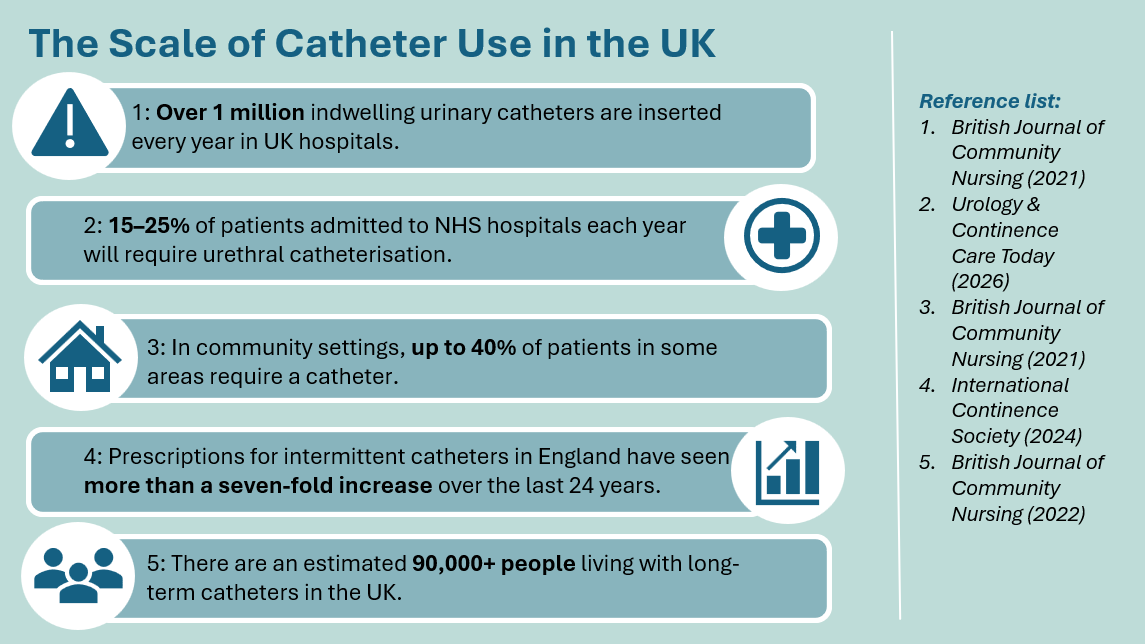
The Scale of Catheter Use in the UK
Catheters are far from a niche intervention. Whether it's a Foley (indwelling) catheter or intermittent self-catheterisation (ISC) for patients managing long-term bladder conditions, their use is common across both hospital and community settings. These numbers reflect a significant and growing demand. Yet, they also represent an opportunity to do things differently.
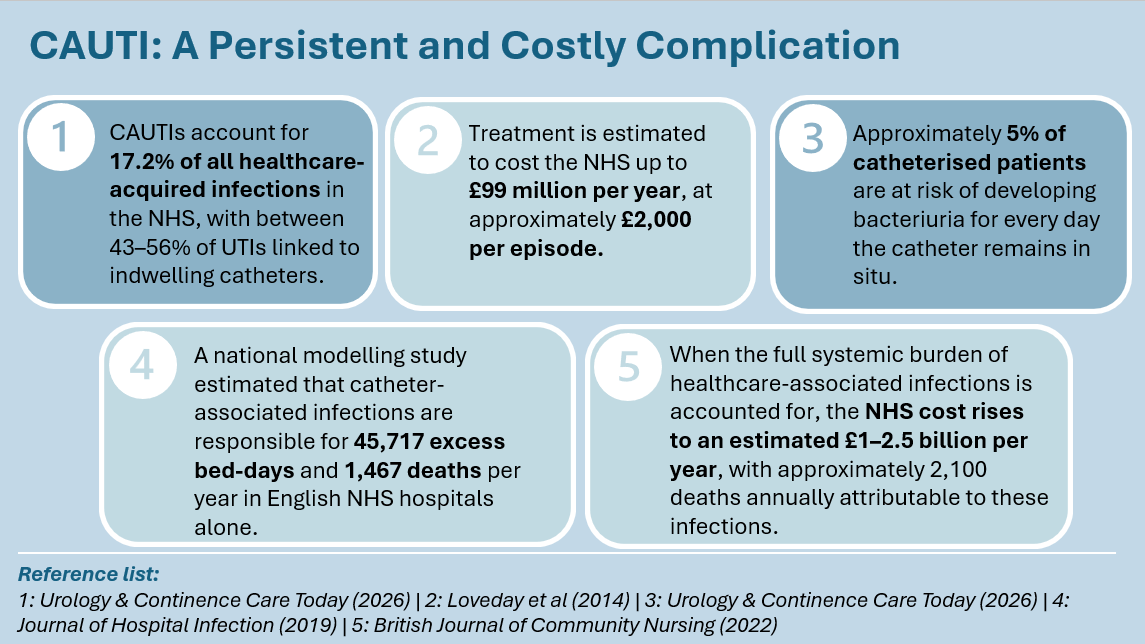
CAUTI: A Persistent and Costly Complication
Catheter-associated urinary tract infections (CAUTIs) are the most common healthcare-acquired infection worldwide, and one of the most resource-intensive to manage. They are a known risk with both Foley catheters and ISC, resulting in healthcare resource impact.
Left untreated or inadequately managed, CAUTIs can escalate to bloodstream infection and urosepsis. This serious and potentially fatal complication significantly extends hospital stays and intensifies the demand on clinical teams. Each person’s experience of a CAUTI can be different, resulting in varying levels of support needed. Because of this, the cost of treating a CAUTI has been estimated to range between £2,000 - £4,600.
We believe that our cymactive™ design can support infection risk reduction as it eliminates the need for external tubes or drainage bags. Typical for a Foley, external drainage bags and tubing provide a key pathway through which bacteria migrate into the bladder. Additionally, Foley catheters’ design creates a permanent reservoir of urine in the bladder, along with a pocket of air, creating an ideal environment in which bacteria may breed.
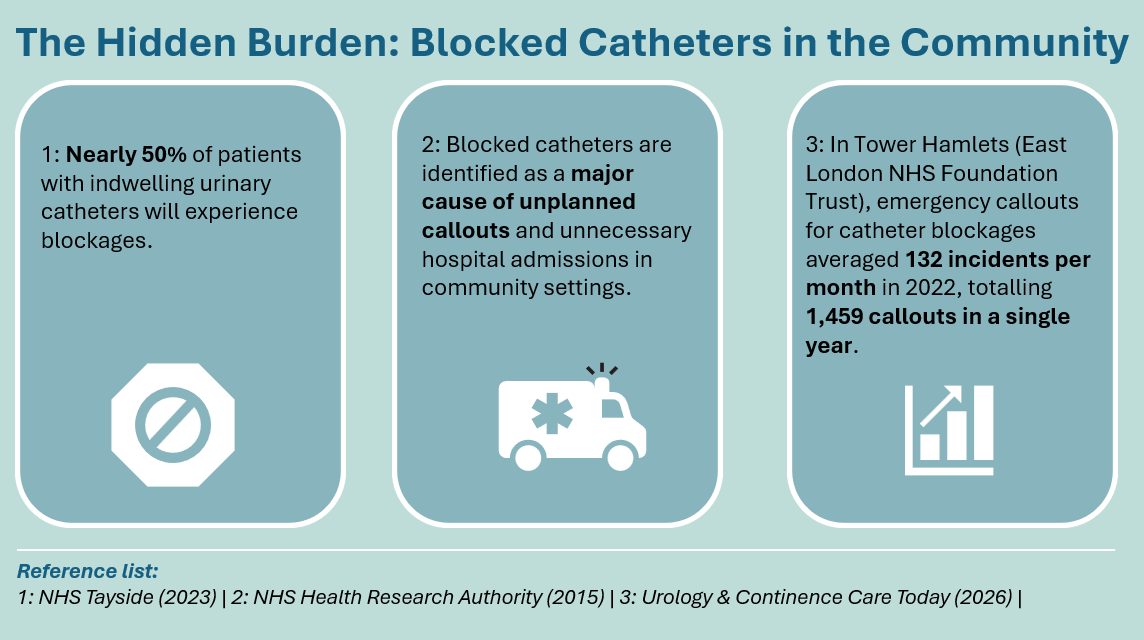
The Hidden Burden: Blocked Catheters in the Community
Beyond infection, another significant and largely unquantified burden sits in community settings: blocked catheters. For district nursing teams already managing growing caseloads, unplanned callouts for catheter complications represent a major strain on time and resource.
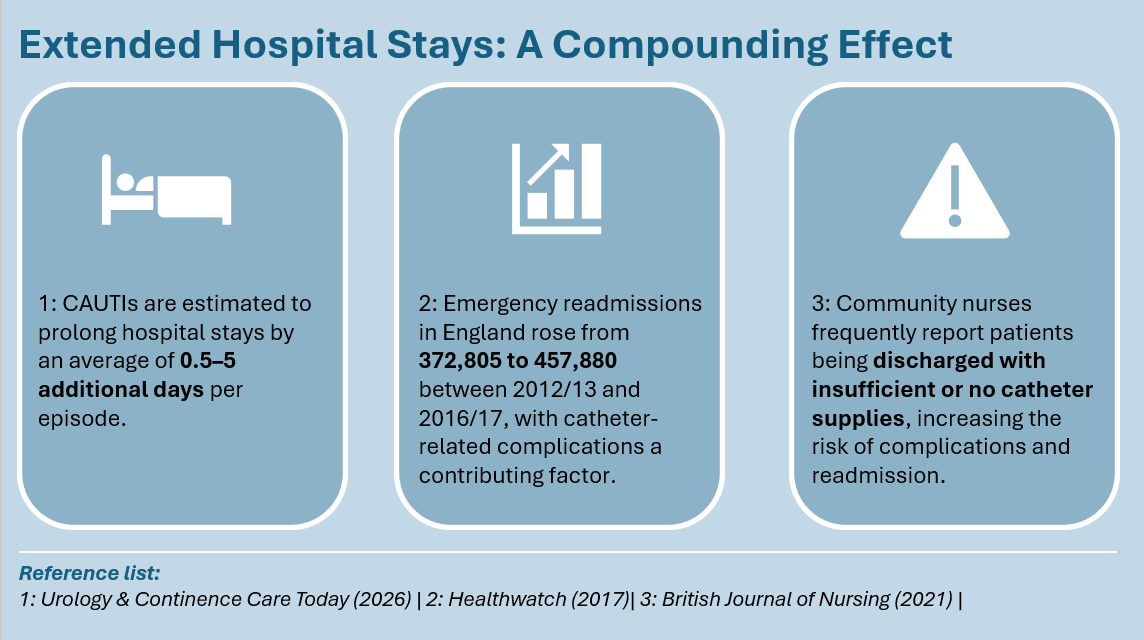
Extended Hospital Stays: A Compounding Effect
The consequences of catheter-related complications don't remain in the community. They feed directly into acute hospital pressure. Every avoidable readmission, every unplanned callout, every additional bed-day represents both a human and financial cost that an already stretched NHS could do with avoiding.
A Different Approach: cymactive™ by Ingenion Medical
The case for innovation in catheter care is clear. What's needed is a solution that reduces the infection risk built into conventional catheter design, lessens the demand on community nursing teams, and meaningfully improves the day-to-day experience of patients living with long-term urinary retention.
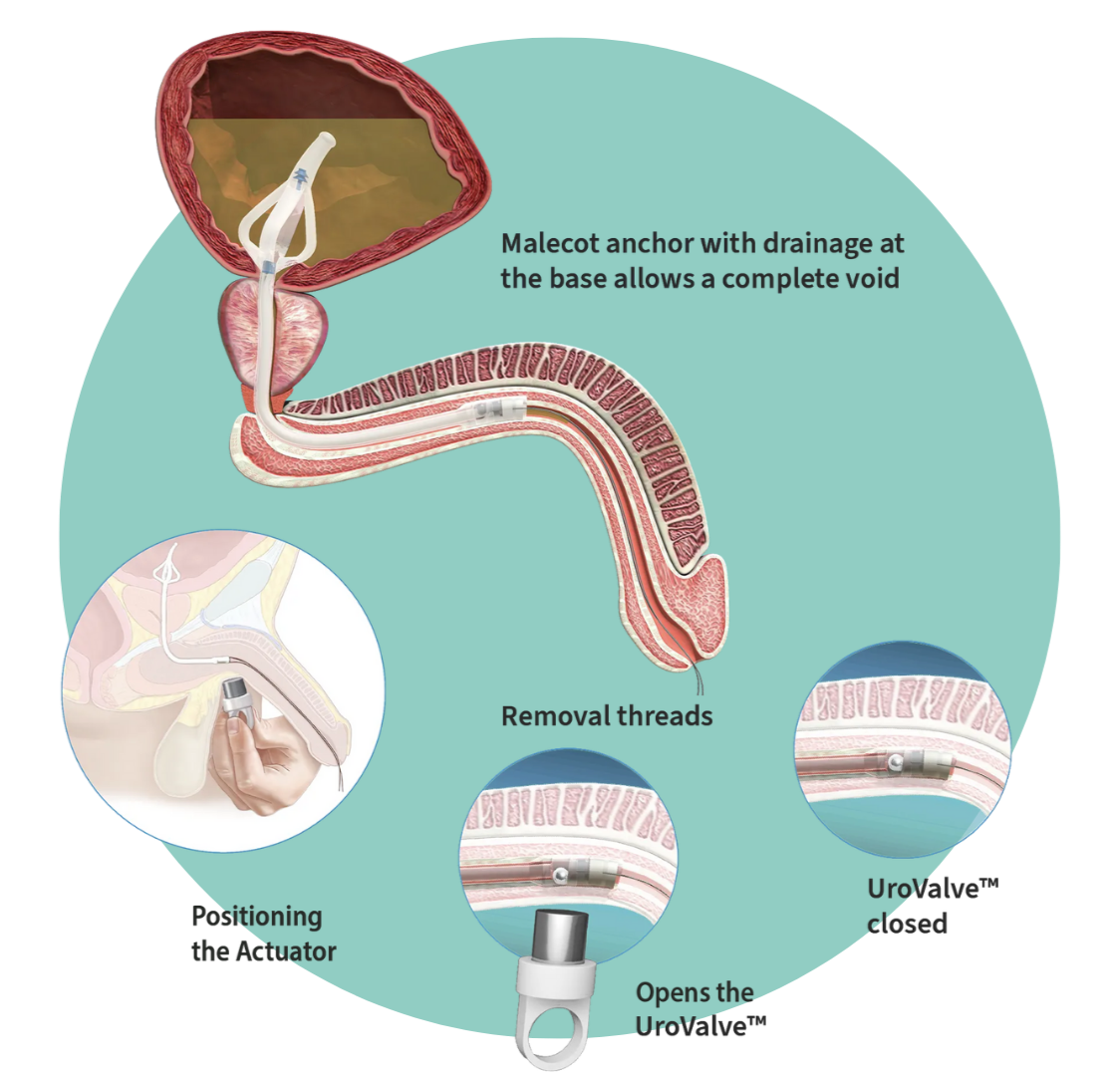
cymactive™ is Ingenion Medical's answer to that challenge. Designed for men with chronic urinary retention, it is a CE-marked, indwelling catheter approved for use for up to 30 days. Using an external magnet to activate a valve within the urethra, patients are able to void on their own terms and at their own convenience, without tubes, bags, or the need for daily catheterisation, as seen with ISC.
Now Available via NHS Supply Chain
cymactive™ is now listed on the NHS Supply Chain framework for male intra-urethral catheters with magnet control, making it straightforward for NHS trusts and procurement teams to access and trial. As the only supplier on the framework, Ingenion Medical is working directly with NHS Supply Chain to support adoption and respond to Trust demand.
If you're a healthcare professional interested in how cymactive™ could support your patients, please use the form below to get in touch.
References:
https://www.ics.org/2024/abstract/323
https://www.sciencedirect.com/science/article/pii/S0195670119301793