
Innovating catheter technology
that puts you back in control.

THE TABOO TOPIC SURROUNDING CATHETERS AND SEXUAL HEALTH
In our recent survey of male catheter users, 75% told us their sexual health had been negatively affected since starting catheter use. If that's true for you too, you're describing an important topic that is well-documented yet rarely discussed openly, even in hospital appointments.

CATHETERS, TRAVEL, AND LEAVING THE HOUSE: WHAT THE RESEARCH SHOWS, AND WHAT CAN HELP
In our recent survey of male catheter users, 84% told us that catheter use has made them feel anxious when leaving the house. If planning a day out now involves more logistics and more anxiety than it used to, that's a common experience rather than an overreaction. Here, we’ll look at what the research tells us about why going out becomes harder, and then suggest some practical ways to make it easier again.

LIVING WITH A CATHETER: WHY YOUR MENTAL HEALTH MATTERS TOO
If you use a catheter and you've been feeling low or anxious, then you’re not alone. In our recent survey of male catheter users, 45% told us that catheter use had negatively affected their mental health and 26% thought better information and mental health support from healthcare professionals would make a significant improvement to daily life. It's one of the most common, and most under-discussed, parts of living with a long-term bladder condition.

THE IMPACT OF CATHETERS IN THE WORKING WORLD
One of the most consistently reported problems with catheter users is trying to manage in the working world. According to our recent survey of 172 male catheter users (and their carers), 81% told us that having a catheter negatively affected their attitudes towards leaving the house, travel or going to work. It’s a common complaint that we hear where men are dreading a shift, avoiding meetings, or quietly wondering how much longer they can keep managing this on the job. But it is worth addressing because it is one of the easiest aspects to fix when living with a long-term catheter.

WHAT 172 CATHETER USERS TOLD US: NEW SURVEY REVEALS THE HIDDEN IMPACT OF LONG-TERM CATHETER USE
Bladder and urological conditions affect millions of people across the UK, yet the day-to-day reality of living with a catheter is rarely talked about openly. To mark Urology Awareness Month, we surveyed 172 UK-based male catheter users and carers to better understand patients’ lived experience of long-term catheter use, beyond the clinical picture.

INGENION MEDICAL APPOINTS NATIONAL SALES MANAGER TO LEAD UK LAUNCH OF CYMACTIVE™
Ingenion Medical Limited is pleased to announce the appointment of Dr Lana Martin as National Sales Manager, as the company accelerates the UK commercial launch of its cymactive™ 2.0R Bladder Management System for men with non-neurogenic chronic urinary retention.

New patient survey highlights significant unmet need among long-term male catheter users, marking Urology Awareness Month
A new patient-reported survey adds to a growing body of evidence that long-term catheter use carries a substantial and under-recognised burden on quality of life, with majority of respondents saying they would welcome an alternative to their current device.

WHY QUALITY ISN'T JUST A BOX-TICKING EXERCISE (AND WHY IT LITERALLY SAVES LIVES)
I know, you don’t have to tell me. "Quality Management" is not the phrase that gets people leaping out of bed on a Monday morning. I know this. My family knows this; their glazed-over eyes tell me this when I mention ISO standards. And yet, here I am, genuinely passionate about it. So, bear with me, because I promise quality is more exciting than it sounds. Especially when the product you're talking about works inside a human body.

THE TRUE COST OF CATHETERS TO THE NHS: UNDERSTANDING THE BURDEN AND WHAT WE CAN DO ABOUT IT
Urinary catheters are one of the most widely used clinical interventions across the NHS. Over one million are inserted every year in UK hospitals alone, and millions more are managed in community settings. But behind those numbers lies a financial, clinical, and human cost that is often underappreciated; one that is placing real pressure on NHS resources, stretching community nursing teams, and affecting the outcomes and daily lives of patients.

PLASTIC, WASTE, AND THE CATHETER INDUSTRY: TIME FOR A RETHINK
For patients who rely on catheters daily, their lives become a continuous, lifelong relationship with medical devices. With that continuity comes something that is beginning to crop up in clinical conversations: an enormous, unrelenting stream of plastic waste.
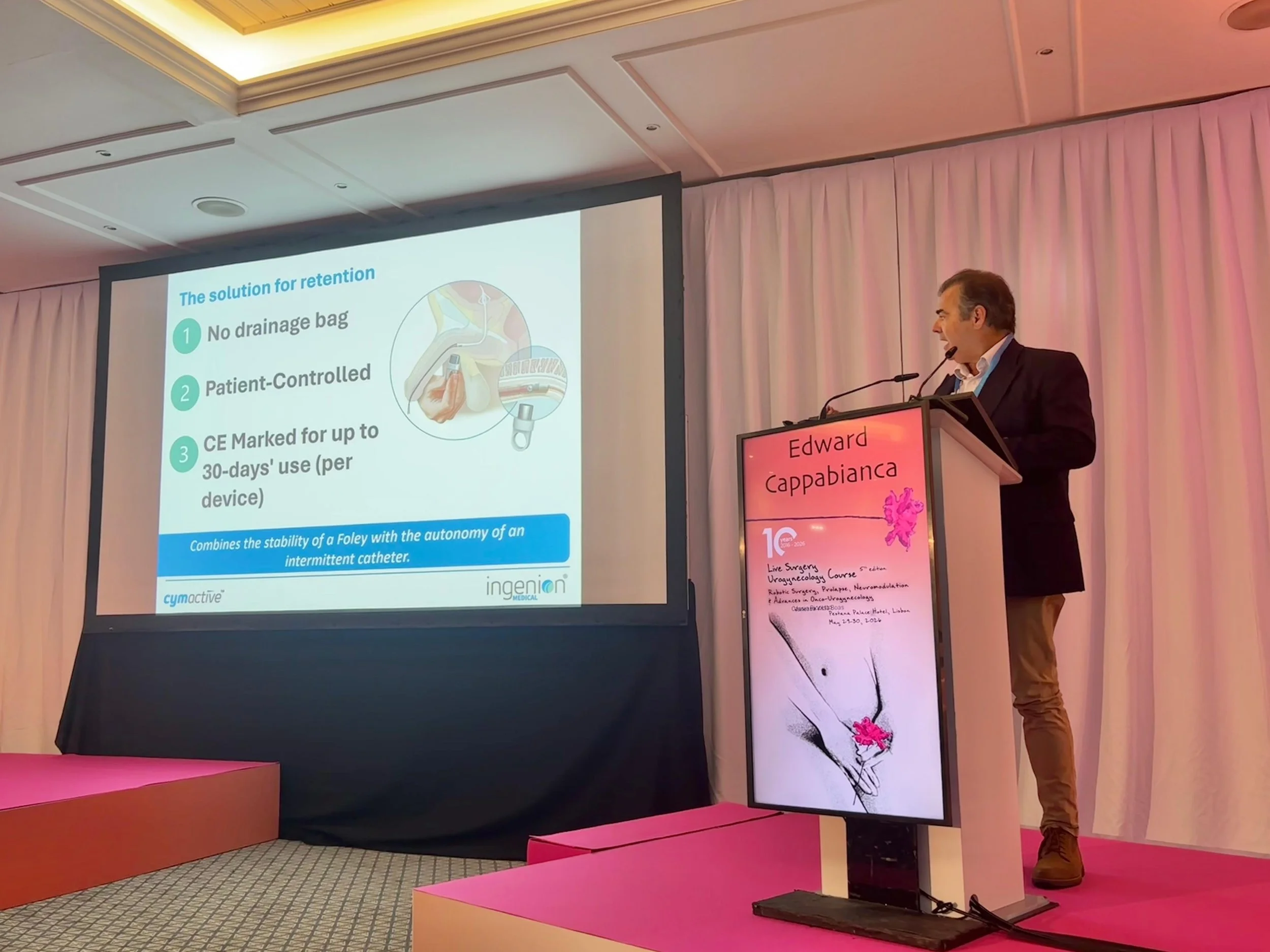
WHY WE NEED COLLABORATION TO RETHINK BLADDER MANAGEMENT
Let me start with a number that still surprises people when I say it out loud: the basic design of the Foley catheter has barely changed since the 1930s. Think about that. In a world where surgical techniques, imaging technology, and pharmacology have been transformed beyond recognition, the most used urinary catheter has remained essentially static for nearly a century.