
PLASTIC, WASTE, AND THE CATHETER INDUSTRY: TIME FOR A RETHINK
For patients who rely on catheters daily, their lives become a continuous, lifelong relationship with medical devices. With that continuity comes something that is beginning to crop up in clinical conversations: an enormous, unrelenting stream of plastic waste.
As the NHS accelerates toward its legally binding Net Zero commitments, the bladder management pathway is one area that could feel scrutiny from healthcare professionals. As discussed in a recent BBC article (click link to read), a move towards a reduction in single-use catheters could result in the NHS saving millions of pounds and better quality of life outcomes for the individual. The numbers tell a compelling story…
The NHS plastic problem in numbers
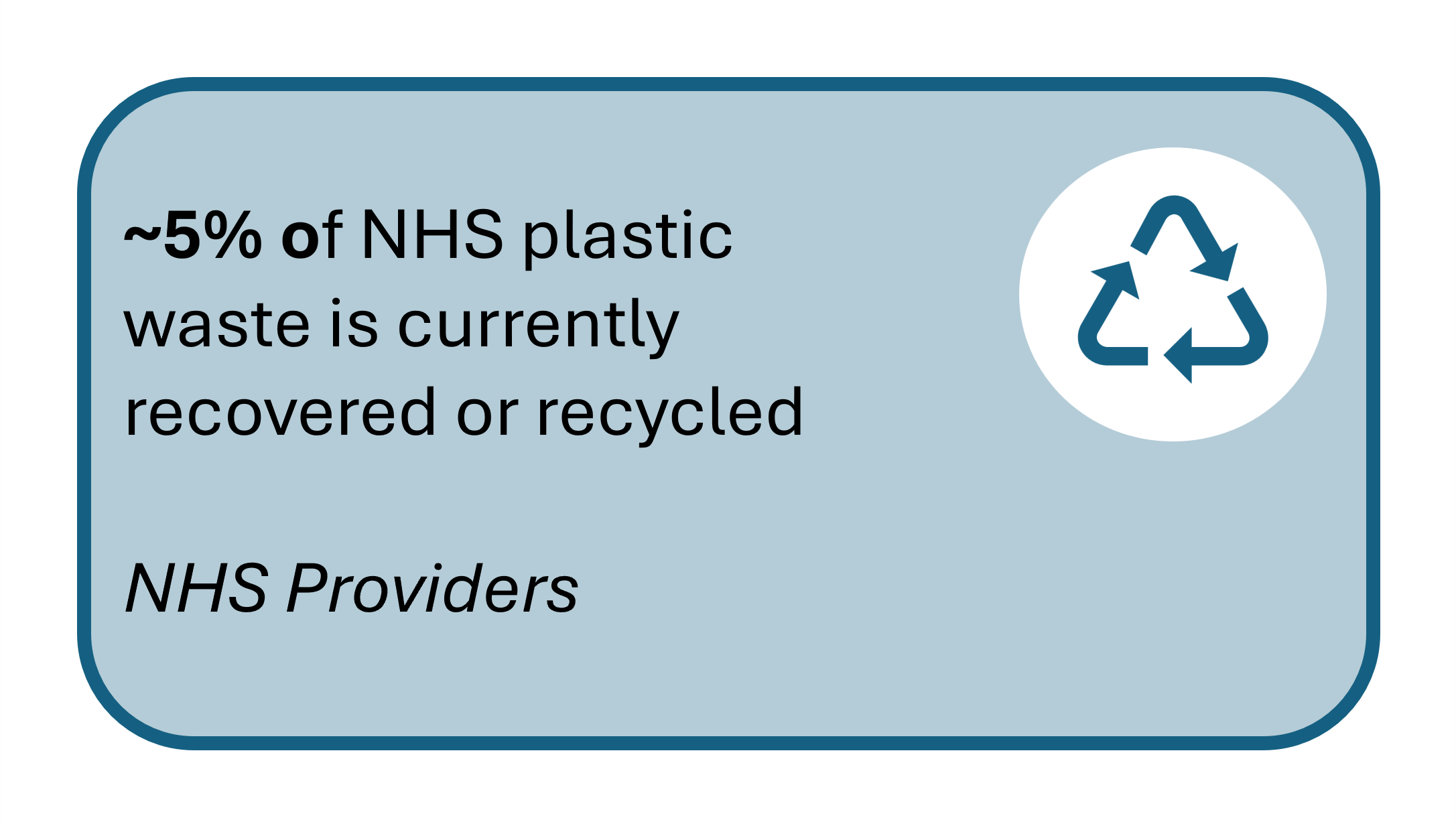
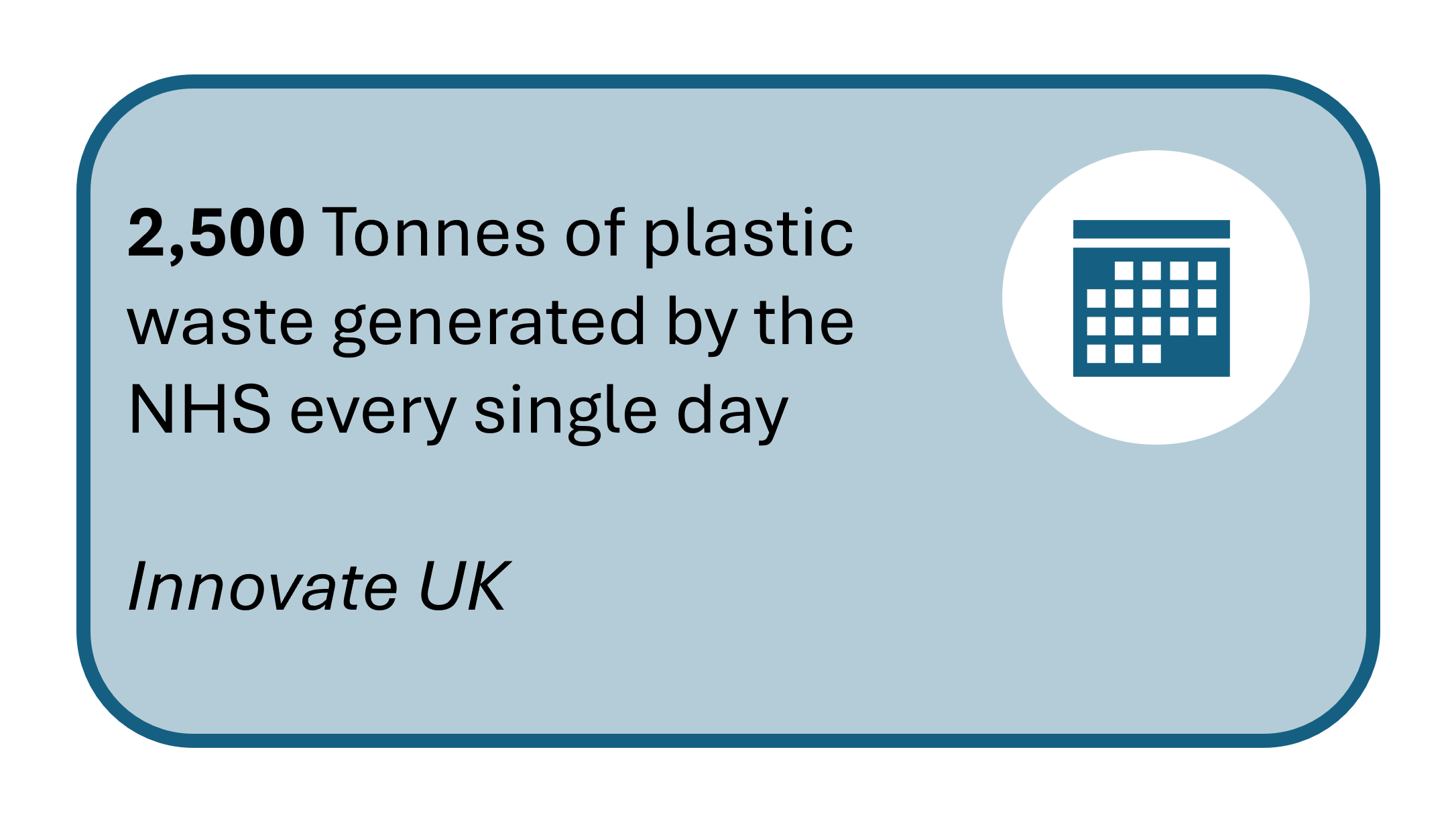
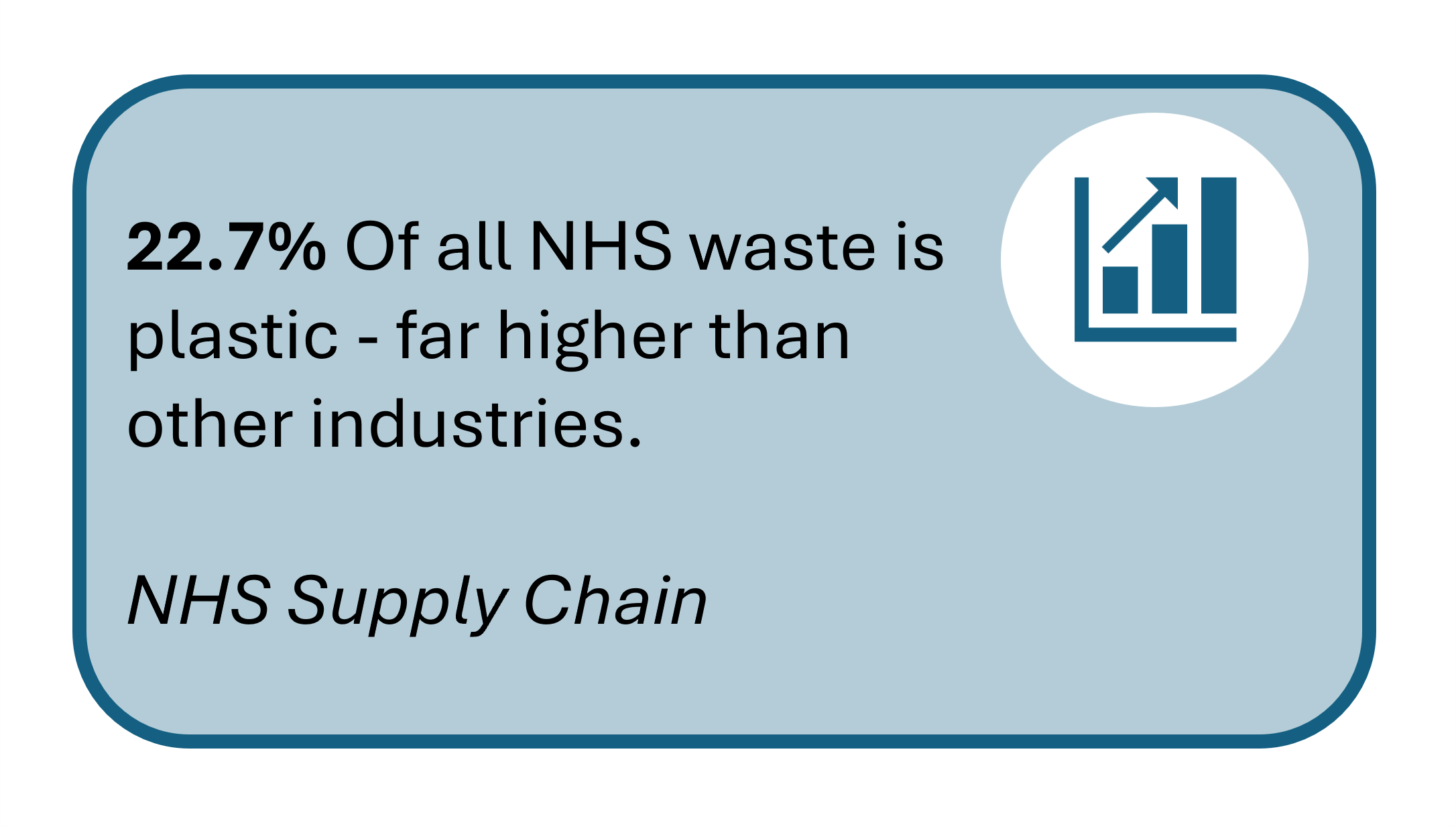
The NHS is not only the largest healthcare system in the UK, but it is also the biggest user of single-use plastics in Europe. With only around 5% of that plastic currently being recovered, the vast majority ends up incinerated or in landfill. For context, 42% of European healthcare plastic waste is incinerated, carrying significant carbon implications.
What does one catheter patient actually generate?
To understand the scale of the problem at a patient level, we need to consider and compare what waste is produced when treating a single individual needing bladder support over a period of time.
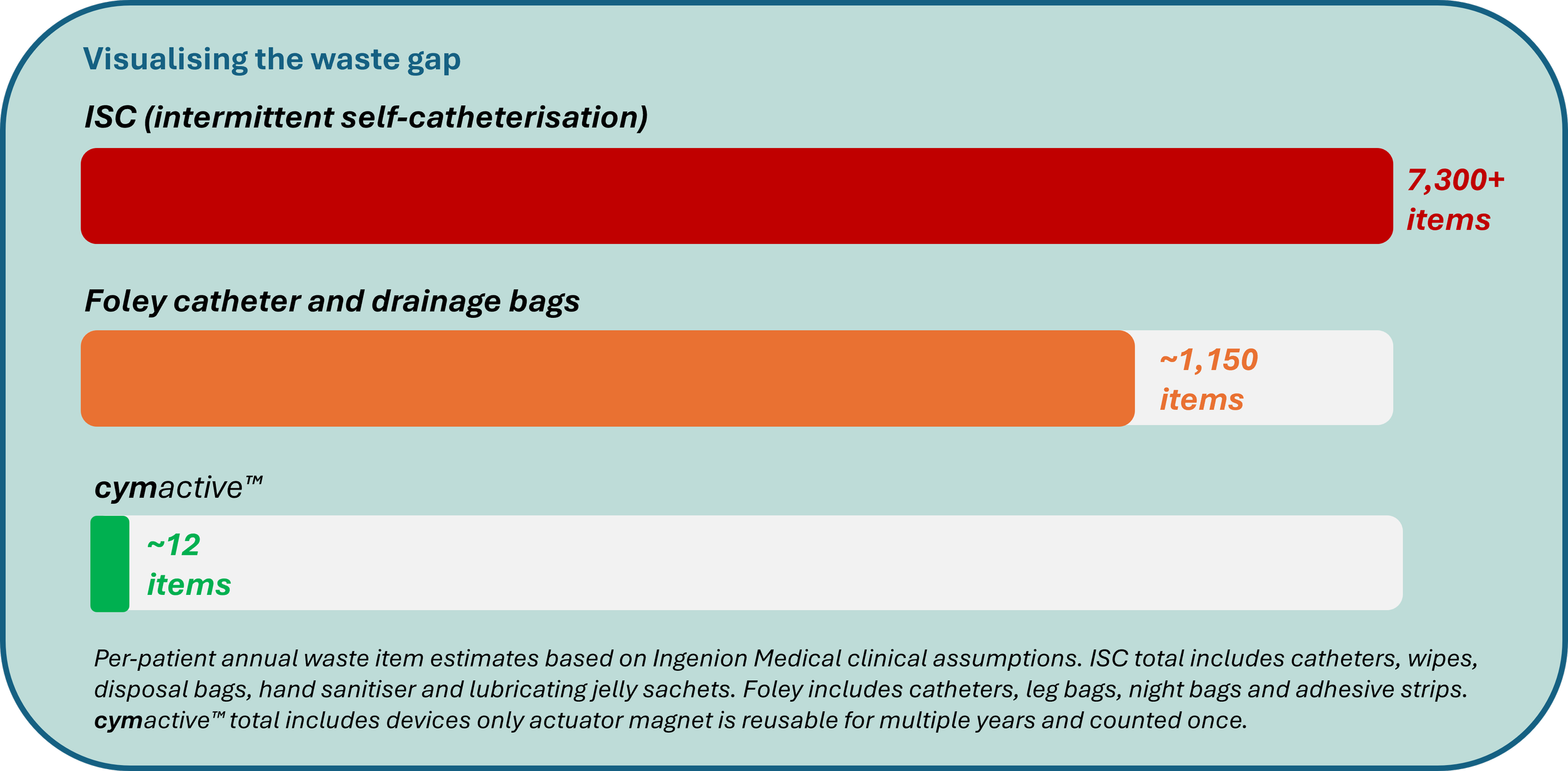
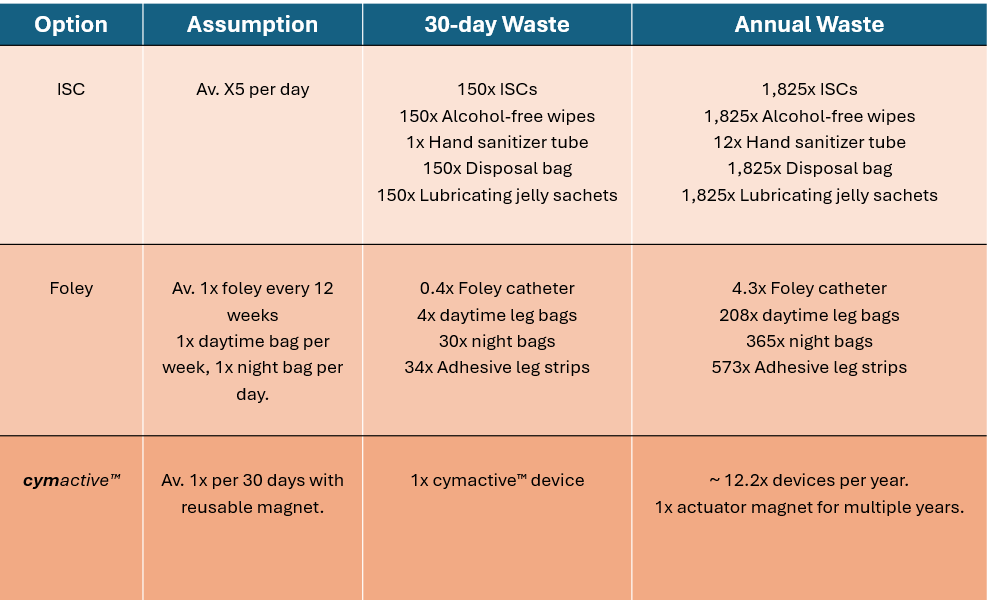
For example, a patient using ISC at least five times daily could generate over 7,300 individual waste items per year through catheters, wipes, sachets, bags and more. If they are using a Foley catheter system, then this could generate over 1,150 items annually - predominantly plastic drainage bags. Then, if we compare this to our new Bladder Management System, cymactive™, a patient will use just 12 devices each year – resulting in substantial waste reduction. This is because our indwelling device, ideal for men with chronic retention, does not use external leg bags or tubes.
Why this matters right now
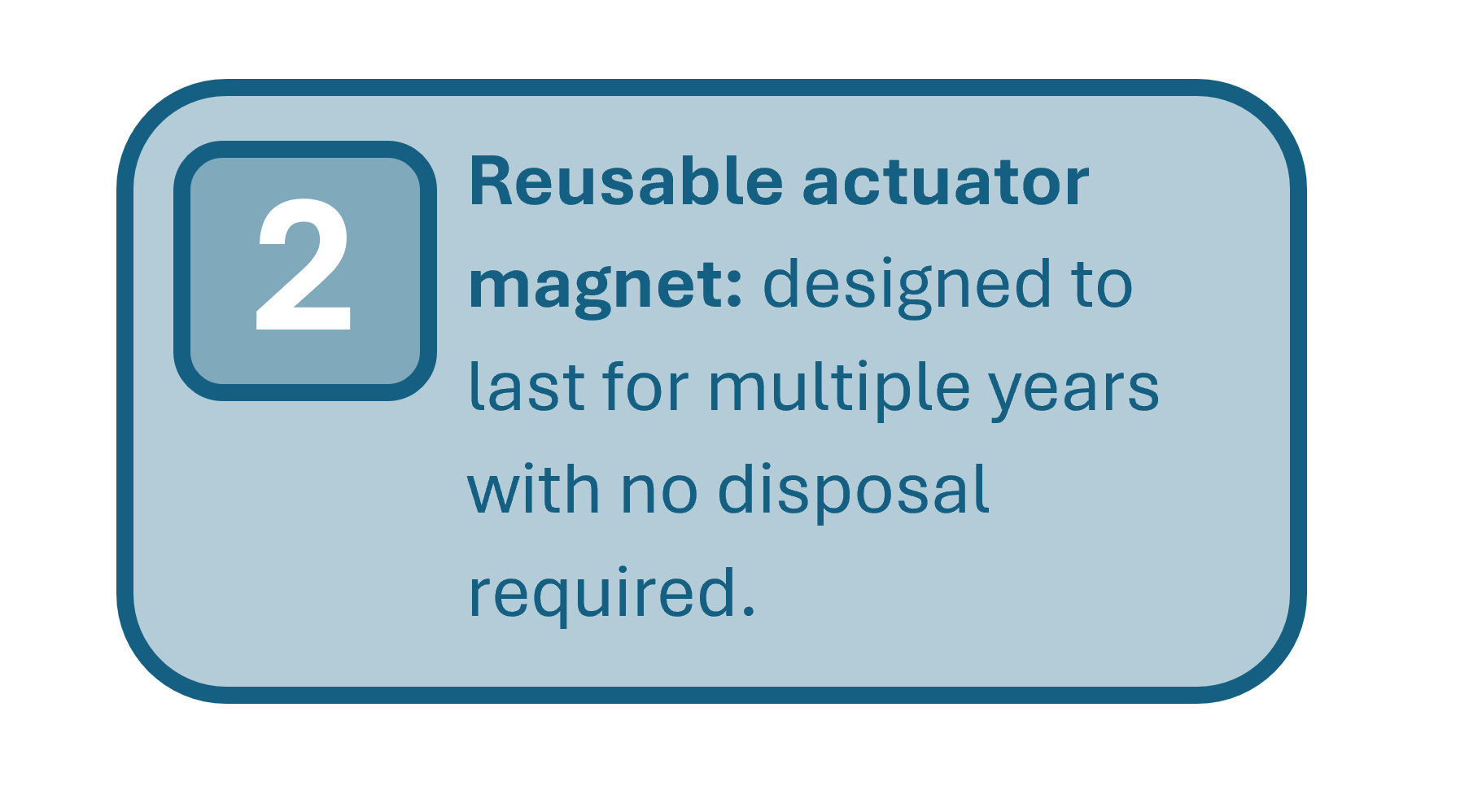
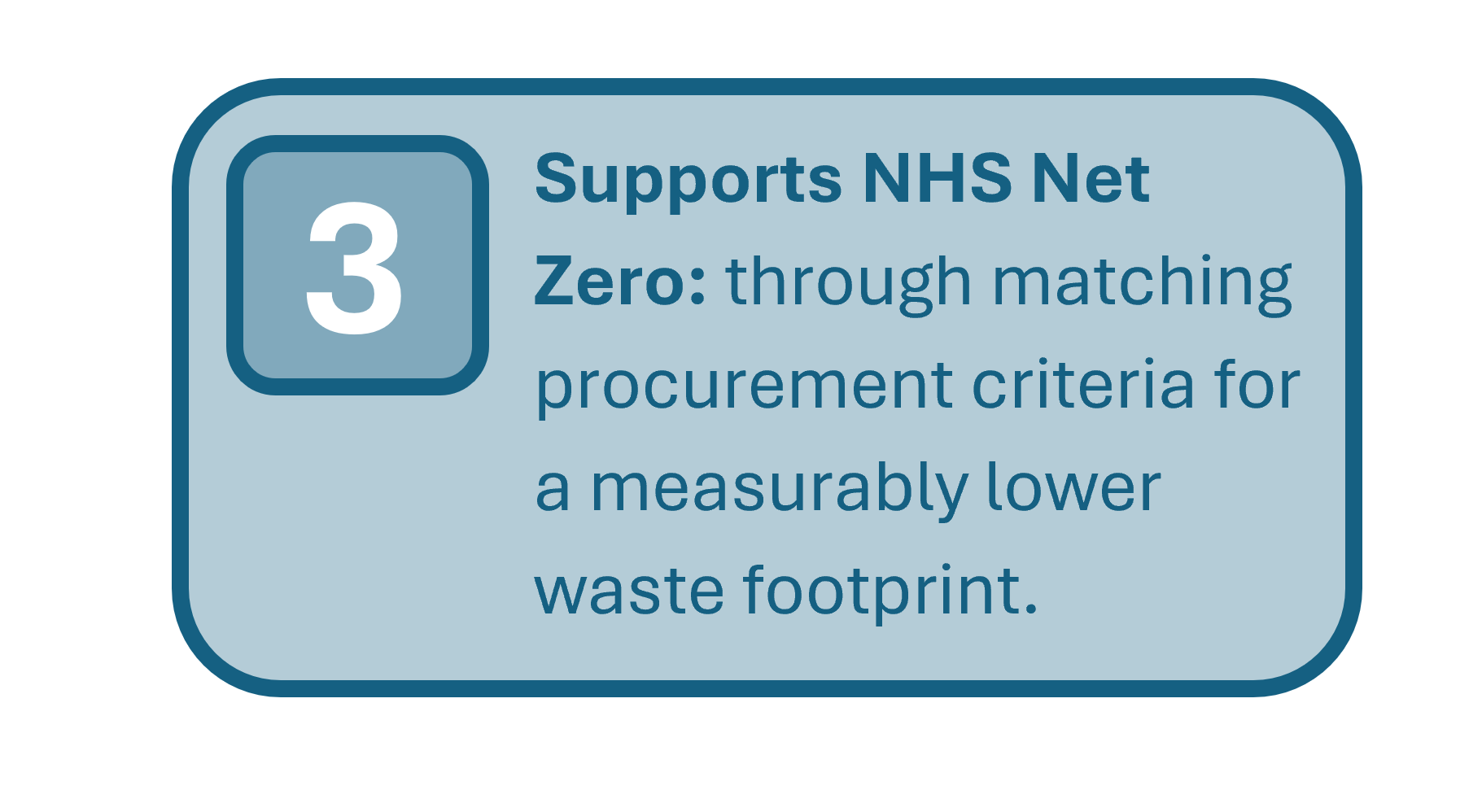
As we work together with the NHS to support their targets under the Delivering a Net Zero NHS strategy, we believe that Ingenion’s cymactive™ can help support NHS Trusts to achieve a large reduction in plastic waste generated by their catheter-using patients. Knowing that supply chain emissions account for over 60% of the NHS's total carbon footprint means that every product specification decision, including catheter selection, has real sustainability consequences.
Net zero by 2040 for direct emissions the NHS controls, with an 80% reduction target by 2028–2032.
Net zero by 2045 for indirect emissions, including the goods and services it buys from suppliers.
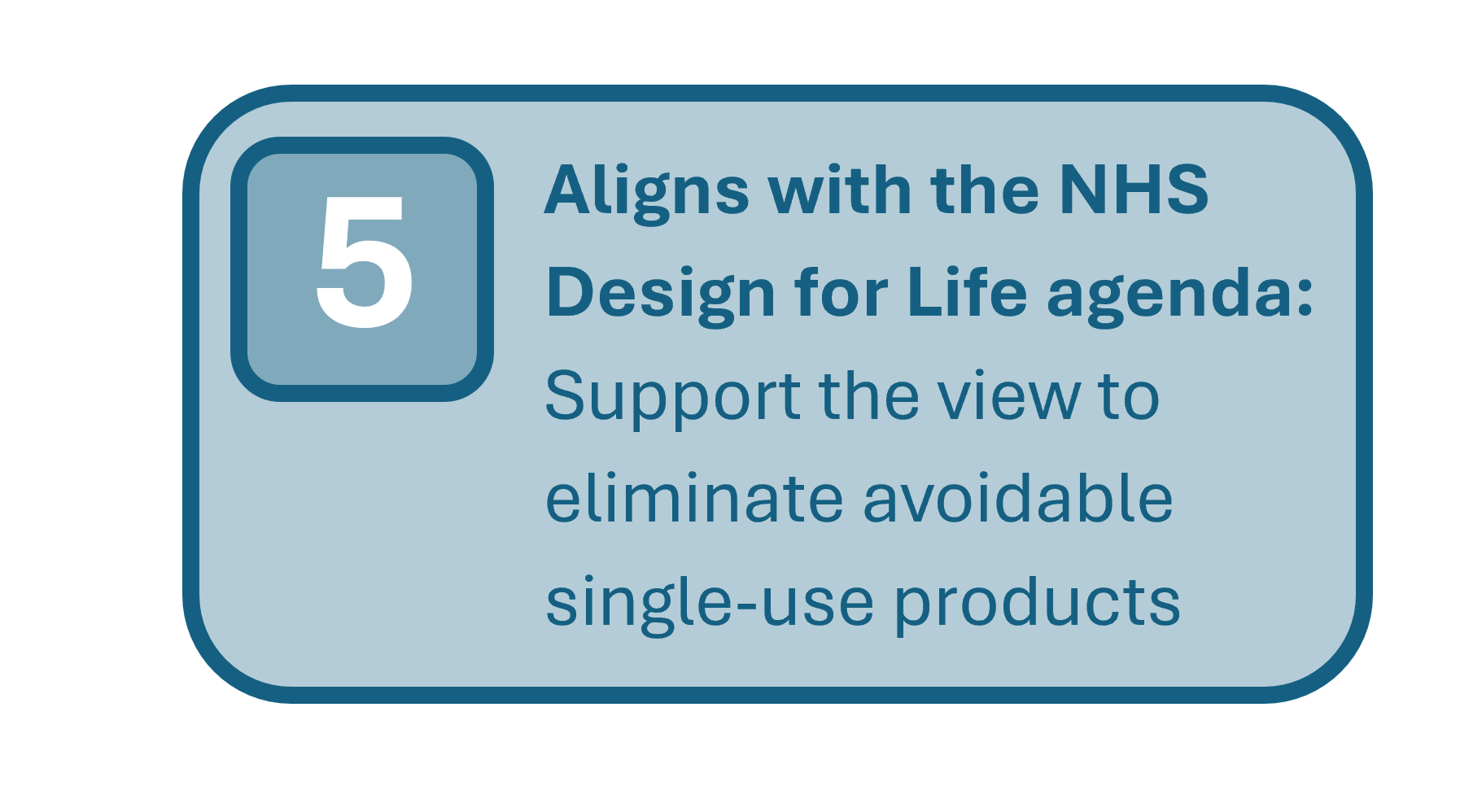
The government's Design for Life programme aims to end the use of avoidable single-use medical products by 2045.
“Every year, millions of expensive medical devices are chucked in the bin after being used just once. We are going to work closely with our medical technology industry to eliminate waste.”
A practical step forward
For healthcare professionals, clinical commissioning decisions are increasingly sustainability decisions too. The data above makes clear that not all catheter management approaches are equal when it comes to environmental impact, and that new innovations could represent one of the most practical, patient-centred levers available for reducing waste in the urology pathway.
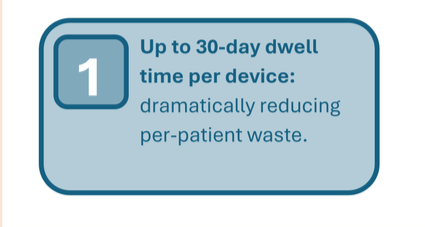
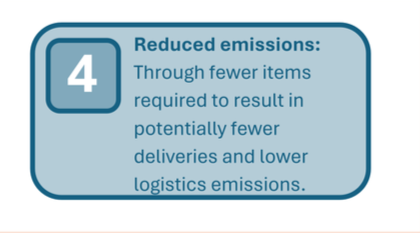
cymactive™ is designed for better outcomes, including:
Now Available via NHS Supply Chain
cymactive™ is now listed on the NHS Supply Chain framework for male intra-urethral catheters with magnet control, making it straightforward for NHS trusts and procurement teams to access and trial. As the only supplier on the framework, Ingenion Medical is working directly with NHS Supply Chain to support adoption and respond to trust demand.
If you're a healthcare professional interested in how cymactive™ could support your patients, please use the form below to get in touch.
References:
https://thenhsalliance.org/news?page=1
https://iuk-business-connect.org.uk/news/towards-more-sustainable-use-of-plastics-in-healthcare/
https://www.sustainabilitypartnerships.uk/rewatch-events/nhs-waste-how-to-build-a-circular-economy
https://www.gov.uk/government/news/major-crackdown-on-nhs-waste
https://pmc.ncbi.nlm.nih.gov/articles/PMC8859718/
Waste item assumptions are based on Ingenion Medical clinical usage data. cymactive™ is a Class IIb medical device, and is CE Marked under MDR 2017/745. Always refer to the Instructions for Use.